Knowledge & Innovation

Aesthetic Medicine & 3D Imaging Blog

Latest clinical research, technical advances, and practice growth insights from LifeViz®.

0%

Choosing the China Best Plastic Surgery 3D Simulation Machine requires more than comparing screen size, camera resolution, or software features. The real question is simple: can the system help qualified surgeons communicate clearly and plan responsibly?

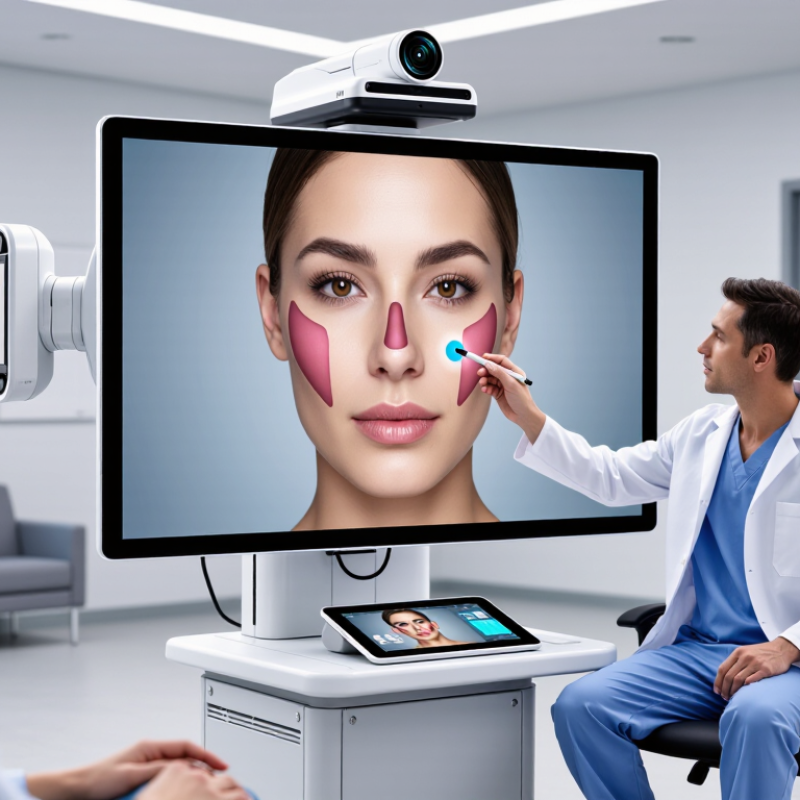
Plastic Surgery 3D Simulation converts facial photographs into an interactive model. Patients may examine a projected nasal profile, chin contour, or breast shape from different angles. That visual conversation can reduce confusion before consultation decisions are made. However, the image is not a promise. Healing, swelling, tissue quality, surgical technique, and individual anatomy can all change the final result.

Dr. Rod J. Rohrich has emphasized, “Plastic surgery is about enhancing what you have, not creating someone new.” This principle remains important when evaluating Chinese manufacturers and clinical systems. A reliable machine should support realistic expectations, not encourage exaggerated transformations. It should also offer stable image capture, repeatable measurements, secure data handling, and an interface that medical teams can learn quickly.

Small details matter.

For example, a clinician may compare a patient’s preoperative scan with several conservative simulations during one consultation. The patient can ask why one contour looks balanced while another appears unnatural. That exchange reflects practical experience, not simple software marketing.

There is no universally best device. That claim would be careless. The most suitable Plastic Surgery 3D Simulation machine depends on procedure type, clinic workflow, surgeon training, budget, service support, and local privacy requirements. This guide will examine those factors carefully, while acknowledging one limitation: attractive digital predictions can still be imperfect. Good technology informs judgment; it never replaces professional evaluation or informed consent.
China Best Plastic Surgery 3D Simulation Machine?

What Is a Plastic Surgery 3D Simulation Machine?

A plastic surgery 3D simulation machine captures facial or body contours with cameras, scanners, or structured light. Software then builds a digital model for viewing possible changes. Patients may examine a simulated nose, jawline, breast shape, or abdominal contour before consultation. The process makes discussions more concrete. It can reduce vague descriptions, especially when patients use different ideas of “natural.” The American Society of Plastic Surgeons reported 1,575,244 cosmetic surgical procedures in the United States during 2023. That volume shows why clearer consultation tools matter. Still, simulation is not a promise.

The 2023 ISAPS Global Survey recorded 34.9 million aesthetic procedures worldwide. More patients now expect visual explanations, but a screen cannot predict healing. Swelling, skin elasticity, muscle movement, lighting, and surgical technique can change the final appearance. The model is an estimate. Sometimes, it looks too perfect. That is a problem worth discussing. Reliable clinics should explain the scanning method, data storage, calibration, and software limits. A qualified surgeon must review the image with medical history and physical examination. Patients should also compare simulated images with realistic recovery timelines, not only polished previews. Good equipment supports informed consent; it does not replace clinical judgment or guarantee an identical result.

How 3D Facial Imaging and Simulation Technology Works

China Best Plastic Surgery 3D Simulation Machine?
How 3D Facial Imaging and Simulation Technology Works

A 3D facial imaging system captures hundreds of angles within seconds. Structured light or multiple cameras build a digital facial surface. Software then maps landmarks, shadows, asymmetry, and volume. Surgeons can adjust a virtual nose, chin, or jawline during consultation. The preview supports communication, but it does not predict healing. According to the ISAPS Global Survey 2023, surgeons performed more than 15.8 million surgical aesthetic procedures worldwide. Better visual communication may help patients understand complex choices in this expanding field.

The system usually compares preoperative and simulated images. It may also measure changes after treatment. However, swelling, skin elasticity, scar formation, and camera positioning can alter results. The model can still be wrong. A 2024 review in Aesthetic Surgery Journal noted that 3D imaging improves planning and patient understanding, while outcome accuracy remains dependent on technique and clinical judgment. I would not treat a polished preview as a promise. A qualified surgeon should explain limitations, medical risks, and realistic alternatives.

Tips: Ask how the device was calibrated. Request privacy information before facial scanning. Compare the simulation with clinical photographs, not imagination. Bring specific concerns, such as profile balance or breathing. Leave time for questions. Good technology shows possibilities, not guarantees.

Key Features of Leading Chinese 3D Simulation Machines

China Best Plastic Surgery 3D Simulation Machine?

Key Features of Leading Chinese 3D Simulation Machines

Leading Chinese 3D simulation machines combine structured-light scanning, high-resolution cameras, and facial landmark mapping. These systems create a measurable digital model within seconds. Surgeons can inspect the nose, chin, cheeks, and jawline from several angles. Some platforms also compare preoperative and simulated views side by side. This makes consultations more visual and less dependent on verbal descriptions. The 2023 ISAPS Global Survey recorded about 34.9 million aesthetic procedures worldwide, increasing the need for clearer patient communication. However, simulation remains an estimation, not a promise.

Image quality depends on lighting, camera distance, skin texture, and patient movement. Good systems should offer stable color capture and repeatable scanning. They should also export standard files for clinical records and support secure data access. The 2023 ASPS statistics reported nearly 1.6 million cosmetic surgical procedures in the United States, showing why reliable documentation matters. Leading equipment should include consent workflows, encrypted storage, and clear user permissions. Clinical staff need training, too. A polished interface cannot correct poor scanning habits. Tissue healing is unpredictable, and simulated contours may look too perfect. That weakness deserves open discussion. The most useful machine supports professional judgment, realistic expectations, and careful follow-up rather than replacing the surgeon’s experience.

Clinical Applications in Plastic and Reconstructive Surgery

A high-quality plastic surgery 3D simulation machine can support clinical decisions before an operation. It converts standardized photographs into a three-dimensional facial or body model. Surgeons may examine nasal contours, chin projection, breast volume, or tissue asymmetry from several angles. The patient can also describe concerns more clearly. That conversation matters.

In reconstructive surgery, simulation helps teams plan after trauma, tumor removal, burns, or congenital differences. A surgeon may compare the unaffected side with the injured area. This can guide tissue arrangement and improve discussion about realistic proportions. In facial procedures, virtual models may support osteotomy planning and implant positioning. In breast reconstruction, they can illustrate possible volume changes and donor-site balance. These images are planning aids, not promises.

Clinical reliability depends on careful photography, calibrated software, and experienced interpretation. Skin movement, swelling, lighting, and healing can change the final result. The screen can mislead. I have found that patients sometimes treat a simulation as a guaranteed outcome, which requires direct correction. Surgeons should explain uncertainty, document consent, and protect personal data. A second clinical opinion can be valuable when the proposed change is complex. The best system is not simply the most advanced machine; it is the one used within a disciplined, patient-centered workflow. Improvements are still needed, especially for dynamic expressions and soft-tissue prediction.

How to Evaluate and Select the Best 3D Simulation Machine in China

China Best Plastic Surgery 3D Simulation Machine?

How to Evaluate and Select the Best 3D Simulation Machine in China

Selecting a 3D simulation machine requires more than comparing camera resolution or screen size. According to the 2023 ISAPS Global Survey, surgeons performed over 34.7 million aesthetic procedures worldwide. This volume increases the need for clear consultations and repeatable measurements. In China, evaluate facial and body scanning separately. Check capture speed, depth accuracy, skin-tone performance, and image consistency under different clinic lighting. A useful system should produce stable results within minutes. It should also export standard files for clinical records and surgical planning. Ask for demonstration cases, not only showroom images.

Clinical value matters more than visual impact. The simulation should explain possible changes, not promise an exact postoperative result. I would compare simulated images with documented follow-up photographs from several months later. Differences are normal. They must be disclosed. The World Health Organization’s Global Strategy on Digital Health highlights interoperability, privacy, and evidence-based deployment. Therefore, review encryption, access controls, data storage location, and consent functions before purchase. ISO 13485-certified manufacturing can support quality management, but certification alone does not prove clinical usefulness. Request calibration records, software update policies, operator training, and local maintenance response times. Poor training can weaken an excellent device. That is easy to overlook. Also examine total ownership costs, including service, replacement parts, and annual software fees. A lower purchase price may become expensive after two years.

FAQS

What does a 3D simulation machine do?

It creates a measurable digital model using cameras, structured light, and facial landmarks. Surgeons can inspect facial contours from several angles. It supports discussion, not guaranteed results.

Which areas can surgeons examine?

The system may display the nose, chin, cheeks, jawline, breasts, or body contours. A patient can view changes from front and side angles. Small details become easier to discuss.

How can simulation improve patient consultations?

Patients can point to a projected contour instead of relying only on descriptions. Surgeons can compare current and simulated views. The conversation becomes clearer, but misunderstandings can still happen.

Can a simulation predict the final surgical result?

No. It is an estimation. Healing, swelling, skin movement, and tissue behavior can change the outcome. The screen may look too perfect.

What affects image quality?

Lighting, camera distance, skin texture, and patient movement all matter. Stable color capture is important. Careless scanning can produce misleading images.

How can simulation support reconstructive surgery?

Teams may compare an injured area with the unaffected side. This can help plan tissue arrangement after trauma, burns, or tumor removal. Real anatomy remains more complex.

What privacy protections should the equipment include?

It should support consent workflows, encrypted storage, secure access, and clear user permissions. Standard file exports can help clinical documentation. Staff still need careful data-handling habits.

Does advanced software replace surgical experience?

No. Experienced interpretation remains essential. A polished interface cannot fix poor scanning or unrealistic expectations. I still think some predictions need stronger evidence.

What should patients ask before relying on a simulation?

Ask how uncertainty, healing, and possible differences will be explained. Ask who reviews the model. A second opinion may help with complex changes. Don’t treat the image as a promise.

Conclusion

A Plastic Surgery 3D Simulation machine is an advanced imaging system that captures a patient’s facial or body structure and creates a realistic three-dimensional model. By combining multiple images, depth data, and specialized software, it allows surgeons and patients to visualize potential treatment outcomes before a procedure. These systems may offer high-resolution imaging, accurate measurement tools, interactive model adjustment, and side-by-side comparisons between current features and simulated results.

In plastic and reconstructive surgery, 3D simulation can support consultation, surgical planning, patient communication, and postoperative evaluation. When selecting the best system in China, clinics should consider imaging accuracy, software usability, simulation realism, workflow compatibility, data security, technical support, training, and overall cost. A reliable solution should improve communication without promising guaranteed results, since actual outcomes can vary according to anatomy, healing, and surgical conditions.

Clara

Clara

Clara is a professional marketing specialist with a strong understanding of product strategy, customer needs, and digital communication. As a core member of the company’s marketing team, she combines market research, content development, and practical product knowledge to create clear, valuable,......