Aesthetic Medicine & 3D Imaging Blog
Latest clinical research, technical advances, and practice growth insights from LifeViz®.
China Top Aesthetic Dermatology Skin Analyzer Supplier?
Table of Contents
Choosing a China top Aesthetic Dermatology Skin Analyzer supplier requires more than comparing prices and polished product images. Clinics need dependable imaging, clear software, and responsive technical support. A practical evaluation should examine camera resolution, polarized lighting, ultraviolet imaging, skin moisture sensors, and report accuracy. These details affect how clearly practitioners observe pores, pigmentation, redness, and hydration changes.
Experienced buyers often request a live demonstration before placing an order. Ask the supplier to scan the same face under consistent lighting. Then compare image clarity, measurement stability, and report consistency. A trustworthy manufacturer should explain calibration procedures, software updates, warranty terms, and training support. Product documentation should also be clear about intended use and applicable regulatory requirements. Avoid suppliers that promise guaranteed diagnostic results. Skin analysis supports professional consultation; it should not replace clinical judgment.
Small details matter.
A clinic may need a compact device for a consultation desk, while a chain may require cloud-based management and multilingual reports. Data protection deserves equal attention, especially when facial images are stored or shared. Certifications can provide useful evidence, but buyers should verify their scope and validity. Not every attractive certificate proves product quality. This is where careful review becomes essential. Some supplier pages sound authoritative, yet technical specifications may remain incomplete. A better decision combines samples, references, service response tests, and independent professional feedback. The strongest supplier is not always the cheapest or loudest. It is the partner that communicates limitations honestly and improves when problems appear.
What Is a Skin Analyzer and How Does It Work?
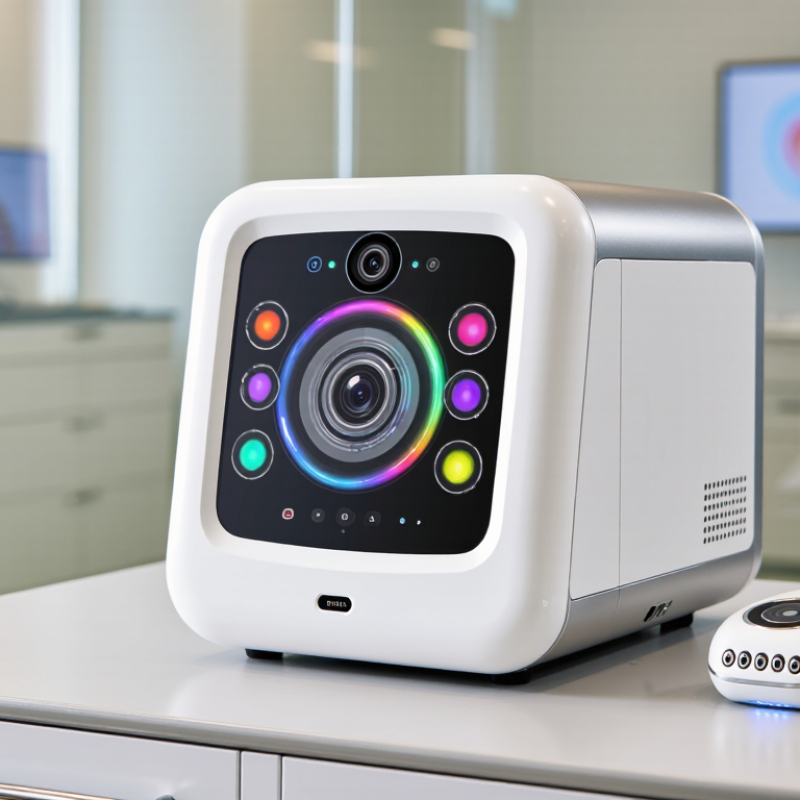
A skin analyzer is an imaging device that examines skin under controlled lighting. It may use white, polarized, or ultraviolet light. Some systems also estimate oil, hydration, pores, pigmentation, and wrinkle visibility. Software then compares the captured image with reference patterns. The process is quick, usually taking less than five minutes.
The result is not a medical diagnosis. It is a screening and consultation aid. Lighting, makeup, skin moisture, and camera distance can change the reading. The World Health Organization and International Agency for Research on Cancer reported about 1.5 million non-melanoma skin cancer cases worldwide in 2022. This figure shows why careful observation matters, but an analyzer cannot replace a qualified dermatological examination. In practice, reliable clinics repeat imaging under similar conditions and explain uncertainty clearly. No device is perfect.
Tips: Clean the face first. Remove makeup and sunscreen. Keep the room lighting stable. Capture baseline images before treatment, then review changes after four to eight weeks. Ask whether the system has calibration records and trained operators. A surprising score deserves professional review, not panic. Providers should protect patient images and obtain informed consent before storage or sharing.
Experienced users also compare the image with touch, medical history, and visible symptoms. A dry-looking area may reflect recent cleansing rather than chronic dehydration. That small detail can change the recommendation. Industry market reports often describe strong growth in digital skin-analysis tools, but market expansion does not prove clinical accuracy. Evidence, transparent methods, and cautious interpretation remain more valuable than attractive color maps.
Key Features of Professional Skin Analysis Devices
China Top Aesthetic Dermatology Skin Analyzer Supplier?
Professional skin analysis devices should turn visible skin conditions into measurable, repeatable information. High-resolution cameras, polarized lighting, ultraviolet imaging, and moisture sensors can reveal pores, pigmentation, redness, oil distribution, and hidden sun damage. A reliable system should also provide consistent lighting and calibrated image capture. Otherwise, small changes may reflect room conditions, not real skin improvement.
The World Health Organization reports that skin diseases affect nearly 1.8 billion people worldwide at any moment. This creates strong demand for careful assessment in dermatology and aesthetic clinics. Grand View Research estimates that the global aesthetic medicine market reached about USD 18.6 billion in 2023, with continued growth expected through 2030. Professional analyzers can support consultations by comparing images over time, recording treatment responses, and improving patient communication.
Data alone is not diagnosis. A device may show a dark area, but it cannot explain every cause. Experienced practitioners must combine imaging results with medical history and direct examination. Artificial intelligence can assist, yet its recommendations require human review. This part is often overlooked. Suppliers should provide staff training, software updates, privacy safeguards, and clear measurement standards. A visually impressive screen is not enough. Consistency matters more.
China Top Aesthetic Dermatology Skin Analyzer Supplier? Key Features of Professional Skin Analysis Devices
Professional skin analyzers commonly combine visible-light imaging with ultraviolet and near-infrared illumination to assess pigmentation, texture, pores, redness and other skin conditions. The chart compares representative electromagnetic wavelength bands used in optical skin analysis.
Wavelength ranges shown: UV-A 315–400 nm, visible light 400–700 nm, and near-infrared 700–1000 nm. Actual configurations vary by device and application.
Why Choose a Chinese Aesthetic Dermatology Supplier?
A Chinese aesthetic dermatology supplier can offer practical value for clinics seeking skin analysis equipment. Many manufacturers combine optical engineering, software development, and production experience under one system. This can shorten communication between design and manufacturing teams. It may also support flexible configurations, such as adjustable lighting, multilingual interfaces, and different image storage options. In daily clinic work, clear images and stable operation matter more than impressive specifications.
Tips: Request sample images, test software speed, and review service response times. Ask for calibration records and user training materials. Confirm that the device meets your market’s medical and electrical requirements. Supplier claims should be checked against independent documents and professional advice.
I have learned that a lower quotation does not always mean better value. A weak camera, unclear reports, or slow technical support can create hidden costs. Choose a supplier that explains measurement limits honestly. Skin analyzers can support consultation, but they should not replace professional clinical judgment. Review data protection, warranty terms, spare parts, and maintenance procedures before purchasing. Factory visits or live demonstrations can reveal details that brochures often miss. Some suppliers are excellent at manufacturing but less prepared for overseas support. That difference deserves careful attention.
China Top Aesthetic Dermatology Skin Analyzer Supplier? - Why Choose a Chinese Aesthetic Dermatology Supplier?
| Evaluation Dimension | Typical Chinese Supplier Profile | Buyer Value | What to Verify Before Ordering |
|---|---|---|---|
| Manufacturing Ecosystem | Strong access to electronics, optical components, molded plastics, displays, batteries, packaging, and contract assembly within established manufacturing clusters. | Supports integrated sourcing and can reduce coordination between component and final-assembly suppliers. | Factory ownership, production location, key subcontractors, and component traceability. |
| OEM and ODM Capability | Many suppliers offer private-label housing, interface customization, software localization, packaging design, and accessory configuration. | Allows distributors, clinics, and aesthetic equipment resellers to create market-specific product packages. | Ownership of firmware, app content, user interface, technical files, and customization fees. |
| Product Configuration | Common configurations include visible-light imaging, polarized or cross-polarized imaging, UV-related imaging, moisture measurement, oil assessment, and pore or texture analysis. | Enables different clinical consultation, skincare retail, and before-and-after documentation workflows. | Measurement method, sensor specifications, calibration procedure, repeatability data, and software limitations. |
| Customization Flexibility | Customization may cover enclosure color, logo placement, language options, report templates, user permissions, and regional power standards. | Helps align the device with local branding, workflow, and regulatory-market requirements. | Minimum order quantity, sample approval process, tooling ownership, revision control, and change-notification terms. |
| Quality Management | Qualified medical-device manufacturers may operate quality systems based on ISO 13485; certification status differs by supplier and product scope. | A documented quality system can improve design control, incoming inspection, corrective actions, and production consistency. | Certificate validity, certification scope, issuing body, audit status, and device-specific quality records. |
| Regulatory Documentation | Depending on classification and destination, documentation may include risk management records, electrical safety and EMC test reports, technical files, declarations, and labeling materials. | Provides a starting point for market-entry assessment and distributor due diligence. | Whether documents apply to the exact model, intended use, software version, and target market; never assume certification from a similar product. |
| Development and Sample Cycle | Existing platforms can usually be sampled faster than completely new designs; timing depends on customization depth, testing, software work, and component availability. | Makes it practical to compare multiple configurations before committing to a production order. | Written sample schedule, acceptance criteria, engineering-change process, and responsibility for test costs. |
| Cost Structure | Competitive pricing may result from manufacturing scale, dense component supply chains, and localized assembly; the lowest quotation does not necessarily represent the lowest total cost. | Can improve budget flexibility for multi-unit clinic, distributor, and private-label programs. | Total landed cost, tooling, software fees, spare parts, inspection, freight, duties, warranty, and regulatory expenses. |
| Export and Logistics | International shipment options commonly include air freight, ocean freight, courier delivery, and consolidated cargo, subject to destination rules and product specifications. | Offers flexibility for samples, replacement units, and larger commercial shipments. | Incoterms, export packaging, battery or wireless-device restrictions, customs documents, insurance, and delivery responsibilities. |
| After-Sales Support | Support arrangements may include remote troubleshooting, replacement parts, repair instructions, software updates, and online product training. | Reduces operational interruptions when a local service network is limited. | Response time, spare-parts availability, warranty exclusions, repair location, training format, and escalation contacts. |
| Data and Software Protection | Skin-analysis systems may process photographs, user profiles, consultation notes, or cloud-synchronized reports; data handling practices differ by platform. | Clear data controls help clinics manage privacy, access permissions, backups, and cross-border data risks. | Data hosting location, encryption, account ownership, export and deletion functions, access logs, privacy terms, and applicable local laws. |
| Supplier Due Diligence | A reliable assessment should combine factory verification, sample testing, document review, production inspection, and contract controls. | Helps distinguish a capable manufacturer from a trading intermediary or an unsuitable supplier. | Business registration, factory audit, reference shipments, product liability coverage, inspection rights, and written quality agreements. |
Note: Capabilities, certifications, lead times, minimum order quantities, and regulatory status vary by supplier and product model. All claims should be verified against current supplier documents and the requirements of the destination market.
How to Evaluate Skin Analyzer Quality and Certification
China Top Aesthetic Dermatology Skin Analyzer Supplier?
Quality begins with evidence, not screen brightness or polished sales claims. Ask for the device’s intended use, measurement range, calibration method, and raw-data access. A reliable supplier should provide test reports for repeatability, color accuracy, lighting stability, and temperature control. Test the same volunteer three times. The readings should remain reasonably consistent.
Certification requires careful checking. The ISO Survey 2023 recorded more than 27,000 valid ISO 13485 certificates worldwide. However, ISO 13485 confirms a quality-management system, not automatic product accuracy. Request the certificate number, scope, issuing body, and expiry date. For electrical safety, review relevant IEC 60601-1 testing. For software risks, ask how ISO 14971 and IEC 62304 principles are applied. Regulatory status also depends on marketing claims. A cosmetic assessment tool may follow different requirements from a diagnostic device.
The FDA’s public list of AI/ML-enabled medical devices exceeded 690 entries in 2023, showing how quickly software-based regulation is developing. Yet a skin analyzer should not be judged by artificial intelligence language alone. Check validation data across skin tones, ages, and lighting conditions. Protect patient images with access controls and clear retention policies. A practical trial matters. In my view, supplier comparisons often miss this step. Even certified equipment can perform poorly after careless installation, outdated software, or untrained operators. That weakness deserves honest discussion. A good supplier welcomes independent testing, documents limitations, and explains what the device cannot measure.
Applications in Clinics, Salons, and Beauty Retail Settings
China Top Aesthetic Dermatology Skin Analyzer Supplier?
In clinics, a skin analyzer can support consultations by showing moisture, pores, redness, texture, and pigmentation patterns. Clear images help practitioners explain treatment options without relying only on visual judgment. A dependable supplier should provide calibration guidance, user training, service records, and transparent technical specifications. Measurements are useful, but they are not medical diagnoses. Experienced staff must combine device readings with patient history, direct examination, and professional judgment.
In salons, the analyzer can make consultations more practical. A client may see dry areas around the cheeks or uneven texture near the forehead. This detail supports personalized skincare routines and follow-up comparisons. Beauty retailers can use compact systems for product education and customer engagement. However, sales staff need careful training. Overstated claims may damage trust and create unrealistic expectations. I have seen attractive reports confuse users when lighting conditions changed. That weakness deserves attention.
Tips: Use consistent lighting. Clean the sensor regularly. Record the same facial areas during follow-ups. Protect customer images with secure access and informed consent. Ask suppliers about software updates, warranty response times, and replacement parts. Test the analyzer with different skin types before purchasing. A short demonstration is not enough. Evaluate daily workflow, report clarity, and staff confidence. Even a technically advanced device can perform poorly when users rush or skip calibration.
FAQS
Ask for intended use, measurement range, calibration method, and raw-data access. Request reports covering repeatability, color accuracy, lighting stability, and temperature control. A bright screen proves little. Test one volunteer three times. Similar readings suggest reasonable consistency.
No. It confirms a quality-management system, not automatic product accuracy. Check the certificate number, scope, issuing body, and expiry date. Review relevant electrical safety testing and software risk controls. Certification is useful, but incomplete.
Run a practical trial with different skin tones, ages, and lighting conditions. Repeat scans on the same facial areas. Check whether reports remain understandable after each scan. A short demonstration is not enough.
No. It can display moisture, pores, redness, texture, and pigmentation patterns. These readings support consultations, but they do not replace medical judgment. Staff should consider patient history and direct examination. Numbers need context.
Clinics can use images to explain treatment options more clearly. Staff should combine device readings with professional evaluation. Suppliers should provide calibration guidance, training, service records, and technical specifications. The device should support decisions, not make them alone.
Use consistent lighting and record the same facial areas during follow-ups. For example, compare cheek dryness and forehead texture under matching conditions. Clean the sensor regularly. Lighting changes can confuse users.
Train sales staff to explain limits and avoid exaggerated claims. Reports should support product education without promising guaranteed results. Clear explanations protect customer trust. Some reports look impressive but remain unclear.
Use secure access controls and obtain informed consent before storing images. Ask about retention periods, software updates, and deletion procedures. Limit access to trained staff. Privacy details are easy to overlook.
Ask about warranty response times, replacement parts, calibration help, and software updates. Confirm whether service records are documented. Poor installation or rushed operation can reduce performance. Even good equipment can disappoint.
Conclusion
An Aesthetic Dermatology Skin Analyzer is a professional imaging and assessment device designed to examine skin conditions beyond what is visible to the naked eye. By using specialized lighting, cameras, and analytical software, it can identify concerns such as uneven tone, dryness, excess oil, pigmentation, enlarged pores, and signs of aging. Key features may include high-resolution imaging, multiple light modes, objective skin scoring, data storage, user-friendly software, and clear treatment reports.
Chinese suppliers can offer flexible manufacturing, competitive pricing, customization options, and efficient production for clinics, salons, and beauty retailers. When evaluating a supplier, buyers should review product accuracy, stability, software performance, user safety, warranty support, and relevant quality certifications. A reliable device should provide consistent results and be easy for professionals to operate. In practice, skin analyzers help clinics create personalized care plans, enable salons to improve consultations, and support beauty retailers by offering customers a more professional and visual skincare assessment experience.

Blog Tags: