
Aesthetic Medicine & 3D Imaging Blog
Latest clinical research, technical advances, and practice growth insights from LifeViz®.
Featured Medical Dermatoscopic & 3D Skin Analysis Portfolio
CE-certified, high-precision dermatoscopic digital cameras and AI-assisted volumetric imaging systems exported to New Zealand dermatologists, cosmetic surgeons, and research clinics.


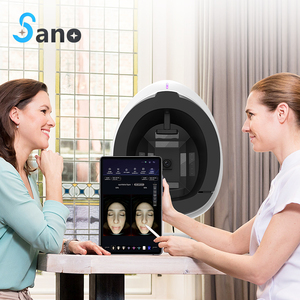
Advanced Digital Dermoscopy & 3D Skin Analysis in New Zealand: Technical Whitepaper
An in-depth analysis of optical diagnostic advancements, CE MDR regulatory compliance, UV-induced solar damage mapping, and tele-dermatology integration for New Zealand medical practitioners.
1. The New Zealand Clinical Context: High Solar Radiation & Diagnostic Precision Needs
New Zealand presents a unique epidemiological profile within global dermatology. Operating under peak atmospheric UV index levels that exceed northern hemisphere averages by up to 40% during summer months—due to the Earth's elliptical orbit and localized ozone depletion—Kiwi practitioners face an extraordinary incidence of solar-induced cutaneous pathologies. Conditions such as actinic keratosis, basal cell carcinoma (BCC), squamous cell carcinoma (SCC), and superficial spreading melanoma require accurate, early-stage non-invasive identification.
Traditional 2D macro photography and manual dermoscopy, while foundational, often suffer from lighting inconsistency, reflective glare, and an inability to quantify sub-surface chromophore distribution or 3D volumetric shifts over time. As an international exporter of CE Certified Dermatoscopic Digital Imaging Cameras, our manufacturing standards address these challenges directly. By fusing multi-wavelength optical sensors, cross-polarized illumination, and AI-driven volumetric reconstruction, our optical systems provide New Zealand practitioners with unprecedented diagnostic depth and reproducible photogrammetry.
Core Technological Architecture
6-Spectrum Optical Matrix
Integrates Standard RGB daylight, Cross-Polarized light, Parallel-Polarized light, UV 365nm optical wavelengths, Wood's Light mode, and Red/Brown chromophore isolation to capture deep dermal and epidermal structures without artifact interference.
AI Deep-Learning Quantifier
Neural networks trained on millions of dermatological images deliver 19 clinical report metrics, accurately scoring pore dilation, sebum exudation, melanin concentration, vascular erythema, and sub-surface solar elastosis.
3D Surface Reconstruction
Proprietary stereoscopic photogrammetry captures precise micron-level topographical elevation, enabling accurate quantification of lesion height, surgical scar reduction, and aesthetic filler volume retention over time.
2. Information Gain: Technical Comparison of Imaging Modalities
For clinical directors and purchasing bodies across Auckland, Wellington, Christchurch, and regional health districts (Te Whatu Ora), selecting dermatoscopic hardware requires comparing optical specifications, standardized reproducibility, and regulatory compliance. The table below illustrates the objective technical advantages of our exported CE Certified 3D Digital Dermatoscopic Systems over legacy diagnostic instruments.
| Diagnostic Parameter | Conventional Handheld Dermatoscope | Standard 2D Facial Scanner | Our CE Certified 3D Multispectral Digital Camera |
|---|---|---|---|
| Optical Illumination | White LED (Polarized / Non-Polarized) | Single RGB Diffuse Flash | 6-Spectrum (RGB, UV 365nm, Cross/Parallel Polarized, Wood's, Red/Brown) |
| Subsurface Chromophore Mapping | Visual Inspection Only (Subjective) | Basic 2D Overlay Filters | Quantitative Separated Melanin & Hemoglobin Deep-Layer Analysis |
| Volumetric Measurement (3D) | Not Available | Simulated / Pseudoscopic | Micron-Precise Stereoscopic 3D Surface Topography & Volumetric Diff (cc) |
| Clinical Compliance | Class I / Basic Manual Instrument | Commercial / Non-Medical | CE MDR Medical Grade Certified, IEC 60601-1 Electrical & Optical Safety |
| New Zealand EMR & Cloud Integration | Manual Photo Transfer | Local Closed Hard Drive Storage | HIPAA / NZ Privacy Act 2020 Compliant DICOM & Secure Cloud Sync |
3. Primary Application Scenarios across New Zealand Medical Practices
Our specialized camera systems cater to three core medical segments in New Zealand, delivering targeted workflow efficiencies and superior patient management outcomes:
Primary Care & Specialist Skin Cancer Screening
In specialized skin cancer clinics across the North and South Islands, high-throughput digital dermoscopy is essential. Our cross-polarized optical engines eliminate surface glare, allowing general practitioners and dermatologists to visualize deep pigment networks, atypical vascular patterns, and subtle margins of pigmented lesions without liquid immersion requirement.
Aesthetic Dermatology & Plastic Surgery Assessment
Aesthetic practitioners rely on objective baseline data. The stereoscopic 3D camera module captures high-definition facial and body geometry. By performing automated volume differential calculations, cosmetic doctors can demonstrate precise post-procedure changes following neurotoxin administration, dermal filler implantation, micro-focused ultrasound (HIFU), or laser resurfacing.
Tele-Dermatology Networks in Rural Regions
With regional populations in Northland, the West Coast, and Southland experiencing limited direct access to tertiary dermatology centers, tele-dermatology bridges the gap. Our standardized digital images, embedded with DICOM metadata and calibrated color profiles, allow regional nurses to transmit clinical-grade dermoscopic datasets to specialists anywhere in New Zealand.
4. Localized Trends & Market Dynamics in New Zealand
Several macro factors are driving the accelerated adoption of digital dermatoscopic cameras and 3D diagnostics throughout New Zealand:
- Transition toward Objective Documentation: Medico-legal standards in New Zealand mandate rigorous clinical record-keeping. High-resolution digital dermoscopy provides timestamped, reproducible visual records that protect both patient and practitioner.
- Integration of AI Pre-Screening: While final diagnosis remains the physician's responsibility, AI-assisted lesion classification systems act as a reliable second pair of eyes, triaging urgent suspicious lesions and reducing waiting lists.
- Growth of Non-Invasive Aesthetic Procedures: Kiwi consumers increasingly seek quantifiable evidence of aesthetic treatment efficacy. 3D skin analysis reports provide transparent proof of collagen stimulation, pore refinement, and pigment clearance.
Why Choose Us as Your New Zealand Export Partner
Direct CE MDR & ISO 13485 Manufacturing Compliance
Every device exported to New Zealand carries official CE certification under European Medical Device Regulations (MDR), facilitating streamlined notification and compliance verification under Medsafe (New Zealand Medicines and Medical Devices Safety Authority) guidelines.
Expedited NZ Logistics & Cold-Chain Safe Packaging
We maintain robust air-freight corridors directly to Auckland International Airport (AKL), Wellington (WLG), and Christchurch (CHC), backed by drop-tested, ESD-shielded international transport cases designed for delicate optical equipment.
Comprehensive Technical Support & Remote Calibration
Our engineering team provides full online onboarding, software updates, and automated white-balance calibration utilities, ensuring continuous operational readiness without maintenance downtime.
Flexible Software Licensing & EMR Compatibility
Our cloud and desktop software suite exports data in standardized image and PDF diagnostic report formats compatible with major practice management software used throughout Australasia.
Frequently Asked Questions (FAQ) for New Zealand Buyers
Essential guidance regarding regulatory compliance, shipping logistics, local operation, and technical specifications for Kiwi clinicians.
Yes. Our medical-grade dermatoscopic digital imaging cameras are CE Certified under the European Union Medical Device Regulation (CE MDR 2017/745 / MDD 93/42/EEC). In New Zealand, medical devices certified under recognized international standards (such as CE marking) can be easily notified to the Medsafe WAND (Web Assisted Notification of Devices) database by local importers or healthcare sponsors prior to clinical deployment.
Following order confirmation and factory quality assurance testing, air-freight transit to New Zealand international airports (Auckland AKL, Christchurch CHC, or Wellington WLG) typically requires 4 to 7 business days via express courier services (DHL Express, FedEx Priority). Custom door-to-door delivery with customs clearance documentation is fully supported.
Absolutely. Patient data confidentiality is paramount. Our software ecosystem incorporates AES-256 bit encryption at rest and in transit. For cloud-enabled models, data center regions can be configured to comply with health data sovereignty standards aligned with the New Zealand Privacy Act 2020 and Health Information Privacy Code (HIPC).
Given New Zealand's intense UV climate, solar damage often presents below the visible skin surface long before becoming clinically apparent. The 365nm UV wavelength and cross-polarized light modes reveal epidermal hyperpigmentation, deep dermal dyschromia, pore congestion, and micro-vascular telangiectasias that remain invisible under standard daylight illumination, facilitating proactive preventive therapies.
All exported power supply units operate on universal input voltage (100–240V AC, 50/60Hz) and are shipped with factory-fitted Type I electrical plugs specifically designed for New Zealand and Australian wall outlets, meeting AS/NZS electrical safety standards.
Our systems feature solid-state LED light matrices designed for over 50,000 operational hours without spectral degradation. Included software utilities feature an automated target-matching calibration protocol using a standardized target chart supplied in the kit, ensuring consistent color matching across years of clinical use.
Yes. We provide comprehensive digital onboarding packages including step-by-step video training modules, live online video sessions with application specialists, and detailed clinical user manuals covering patient positioning, lighting control, software navigation, and diagnostic report generation.
You can initiate a direct query with our global export sales desk by clicking the "Inquire Now" button on any product card or in the bottom banner. Our medical device specialists will provide detailed specification sheets, CE certificates, CIF/DDP freight estimates to New Zealand, and formal pricing within 24 business hours.
Equip Your New Zealand Clinic with Next-Generation Dermatoscopic Technology
Elevate your diagnostic accuracy, streamline patient record management, and provide verifiable clinical outcomes with our CE-certified multispectral 3D skin diagnostic cameras.